
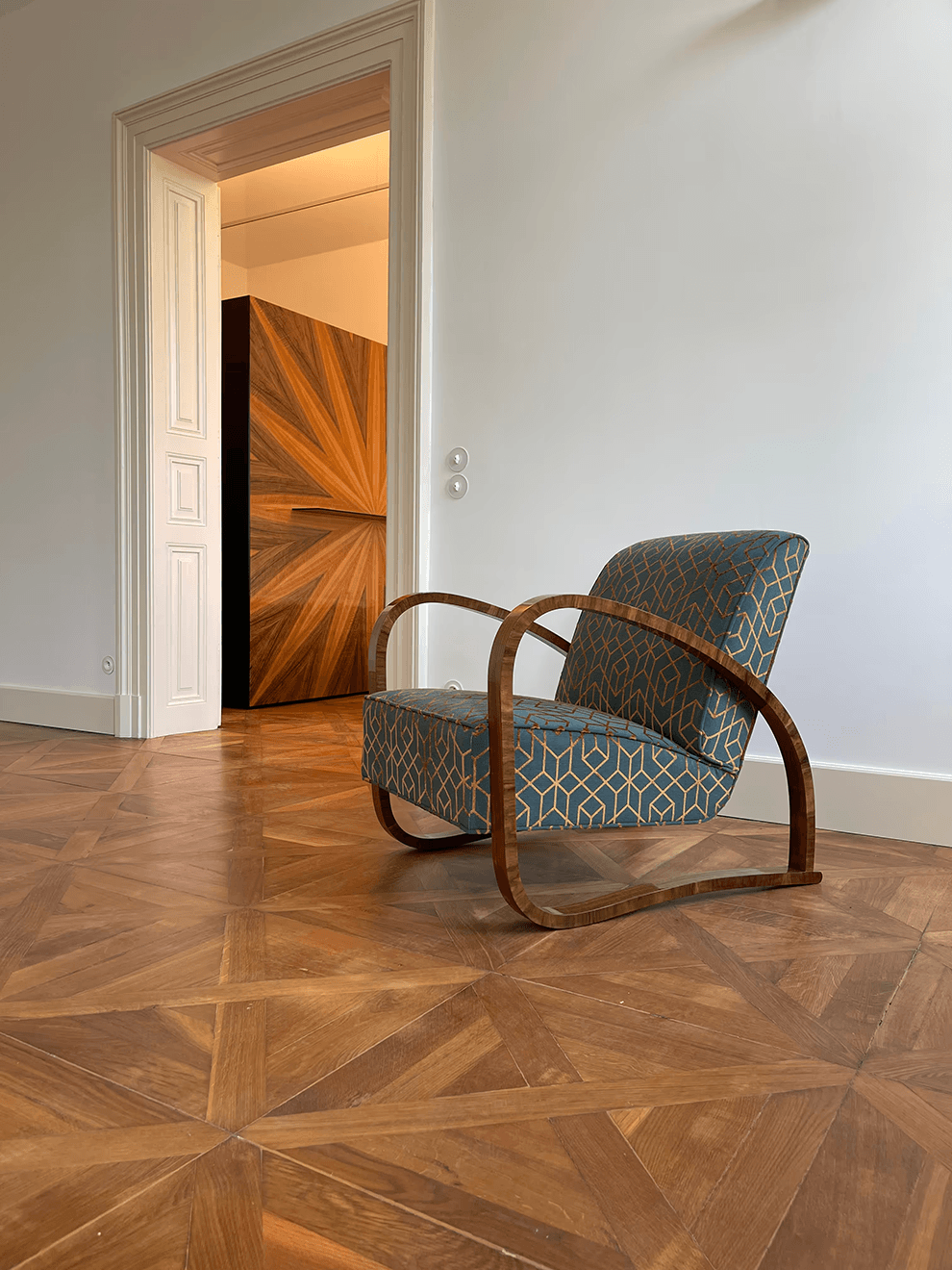
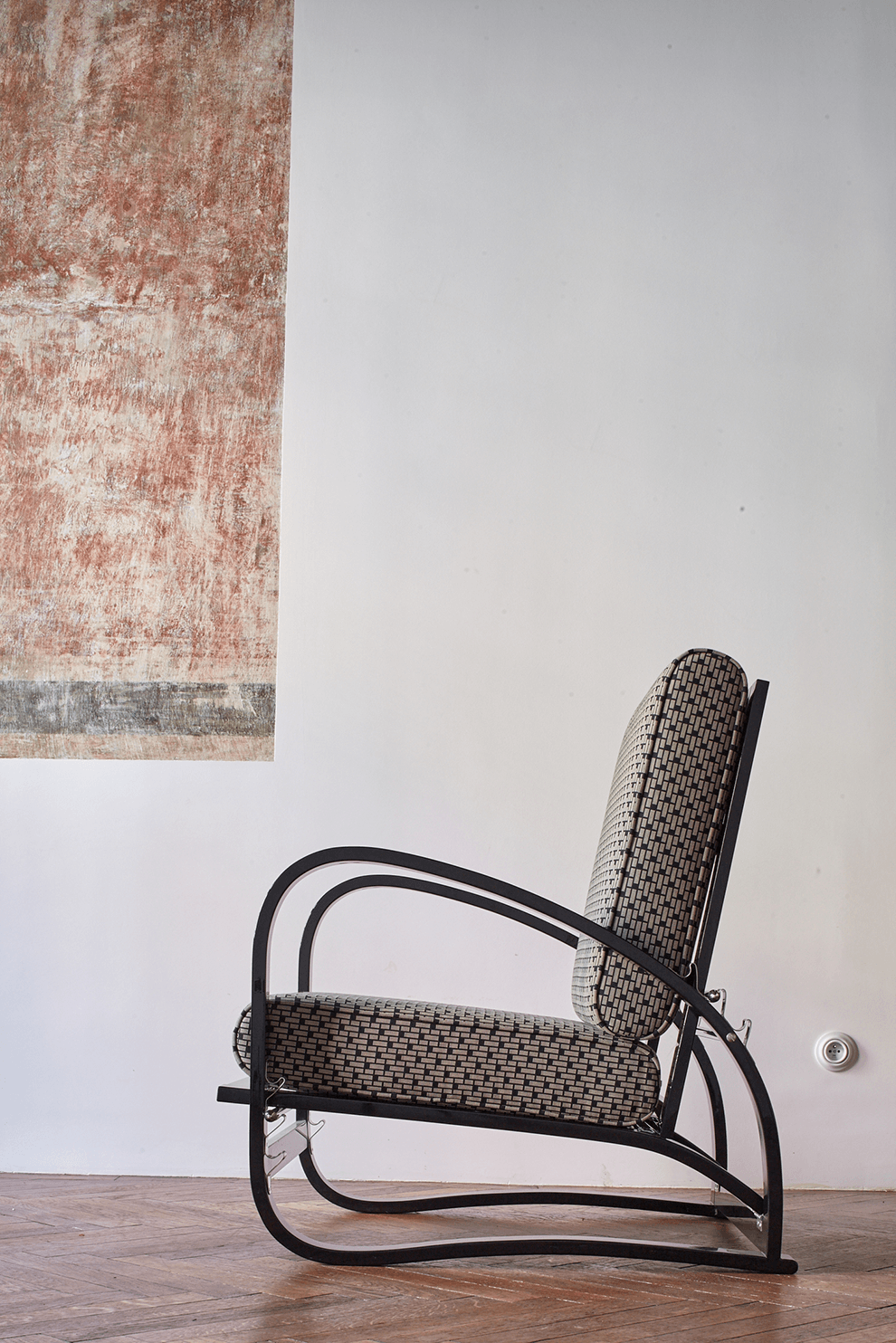
Tubular chair H-128 by Jindřich Halabala
Product detailed description
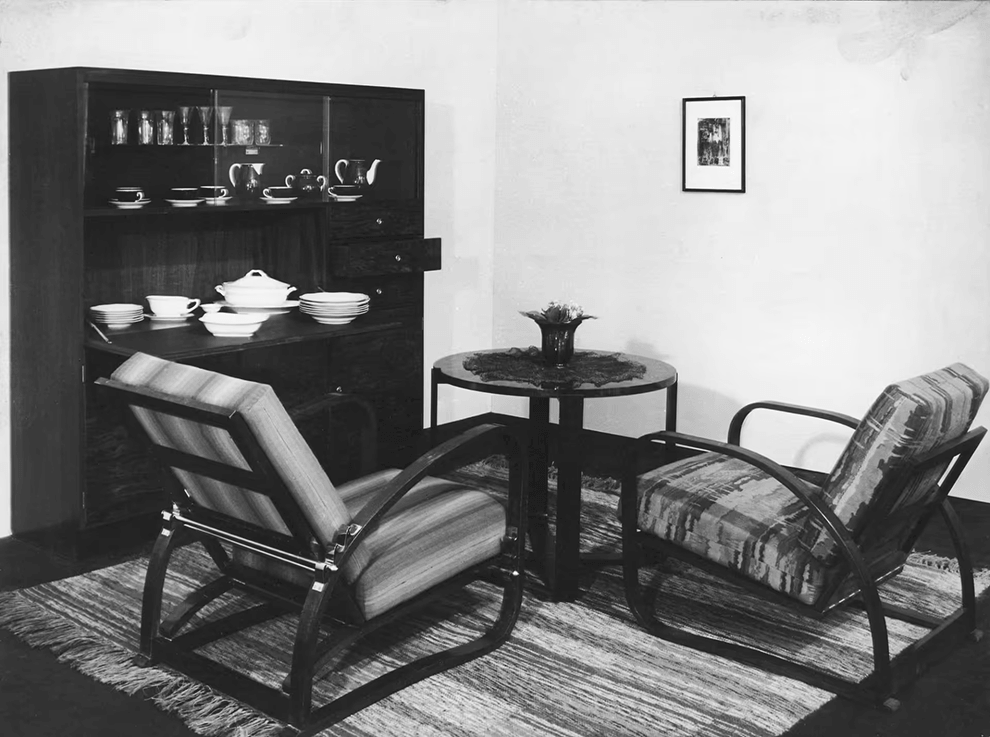
We now make the H‑128 armchair in several versions:
The standard version is in beech stained to our sample range; on request, a version in stained oak, natural or stained walnut, or a lacquered finish in a color of the customer’s choice can also be supplied. The seat and back are molded plywood, and the armrests are solid wood. The metal frame stays true to the original solution – bent chrome-plated tube.
Making the armchair takes about two months from confirmation of the order. Every piece is made in the Czech Republic, with an emphasis on quality, precision, and detail.
Standard specification
Stained beech veneer: 48.900 Kč
Upgraded specification
Oak veneer + 4.000,-Kč
Walnut veneer + 8.000,-Kč
Gloss/matt lacquer + 7.000,-Kč
Discussion
Be the first who will post an article to this item!
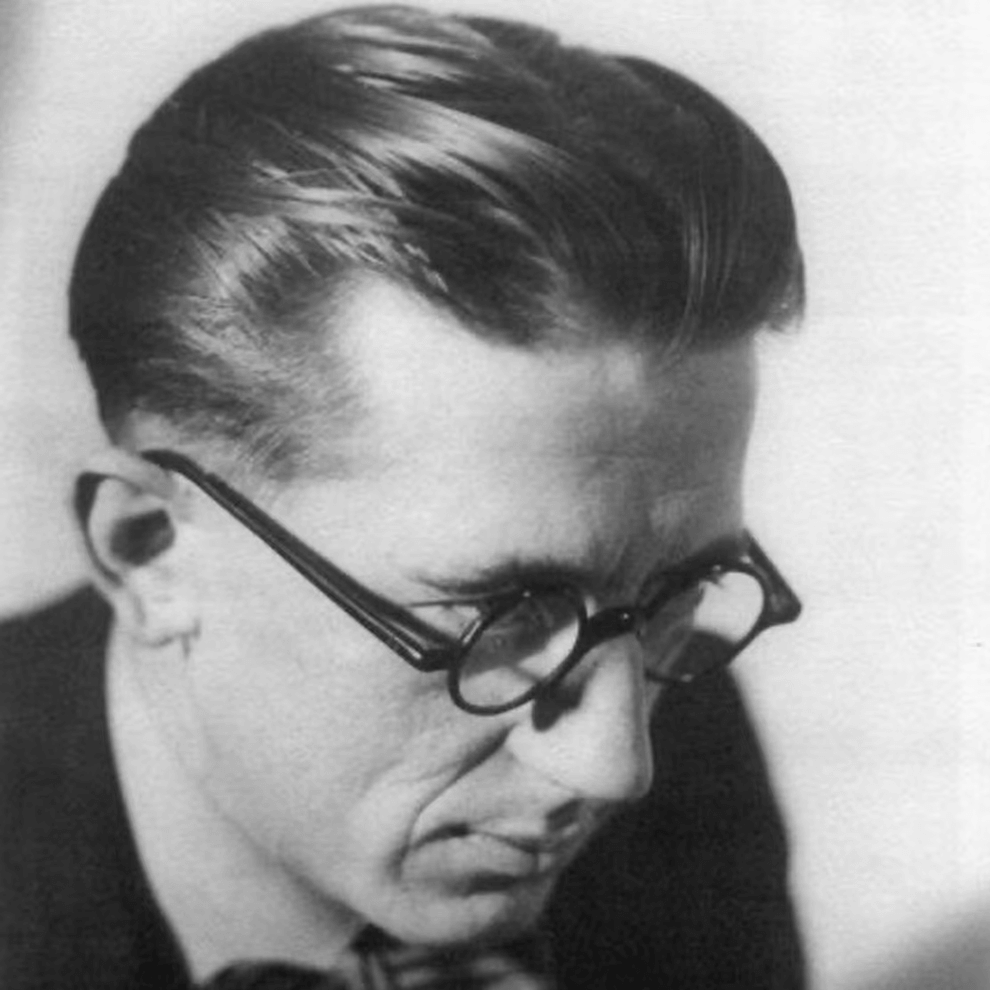
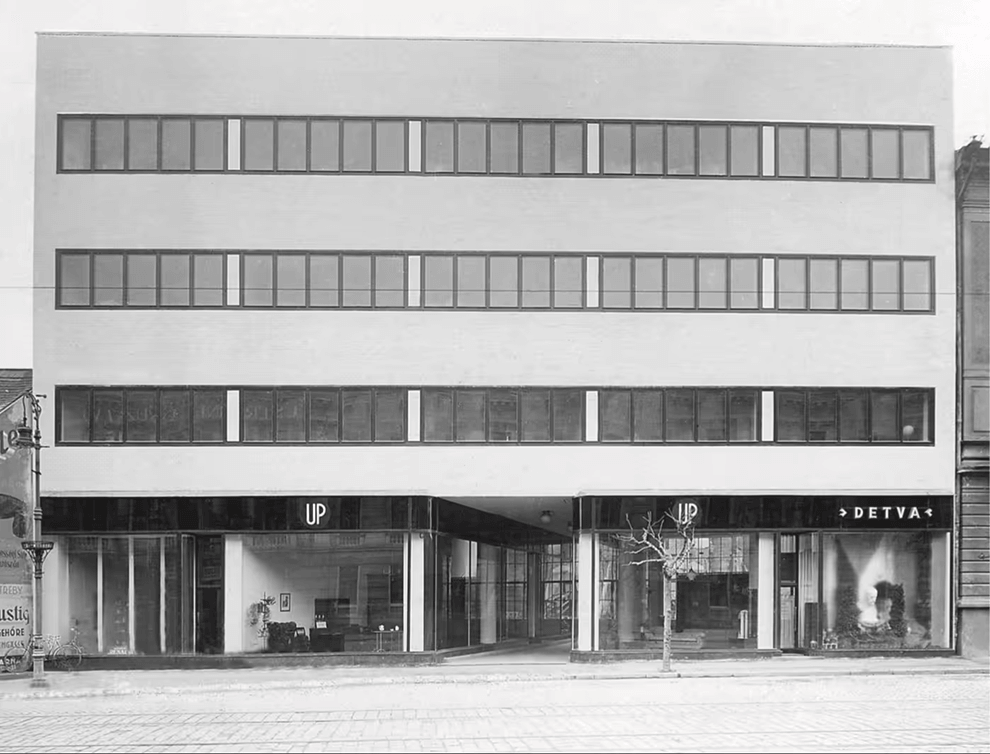
Legendary and timeless—that is Halabala, and that is his furniture. The "Spider" (*Pavouk*)—a table designed by Halabala in the 1950s that now graces many a contemporary interior—is undoubtedly an icon of its era. As the chief designer, Halabala profoundly influenced the operations and output of the *Spojené UP závody* (United UP Works), a company that ranked among the most progressive and largest furniture manufacturers in what was then Czechoslovakia.
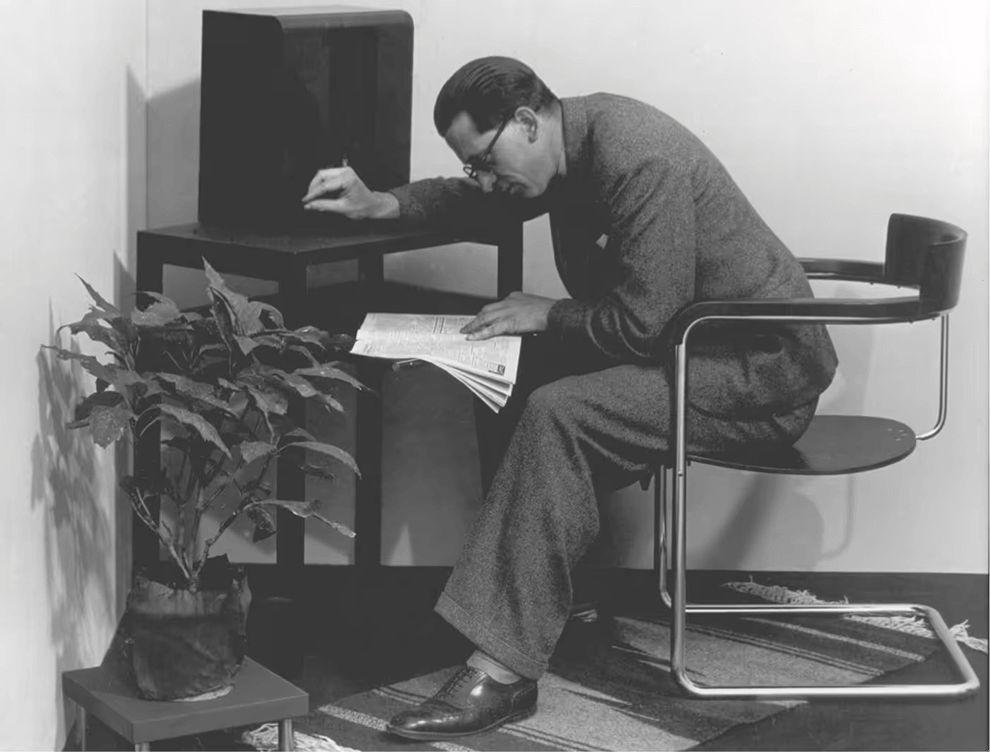
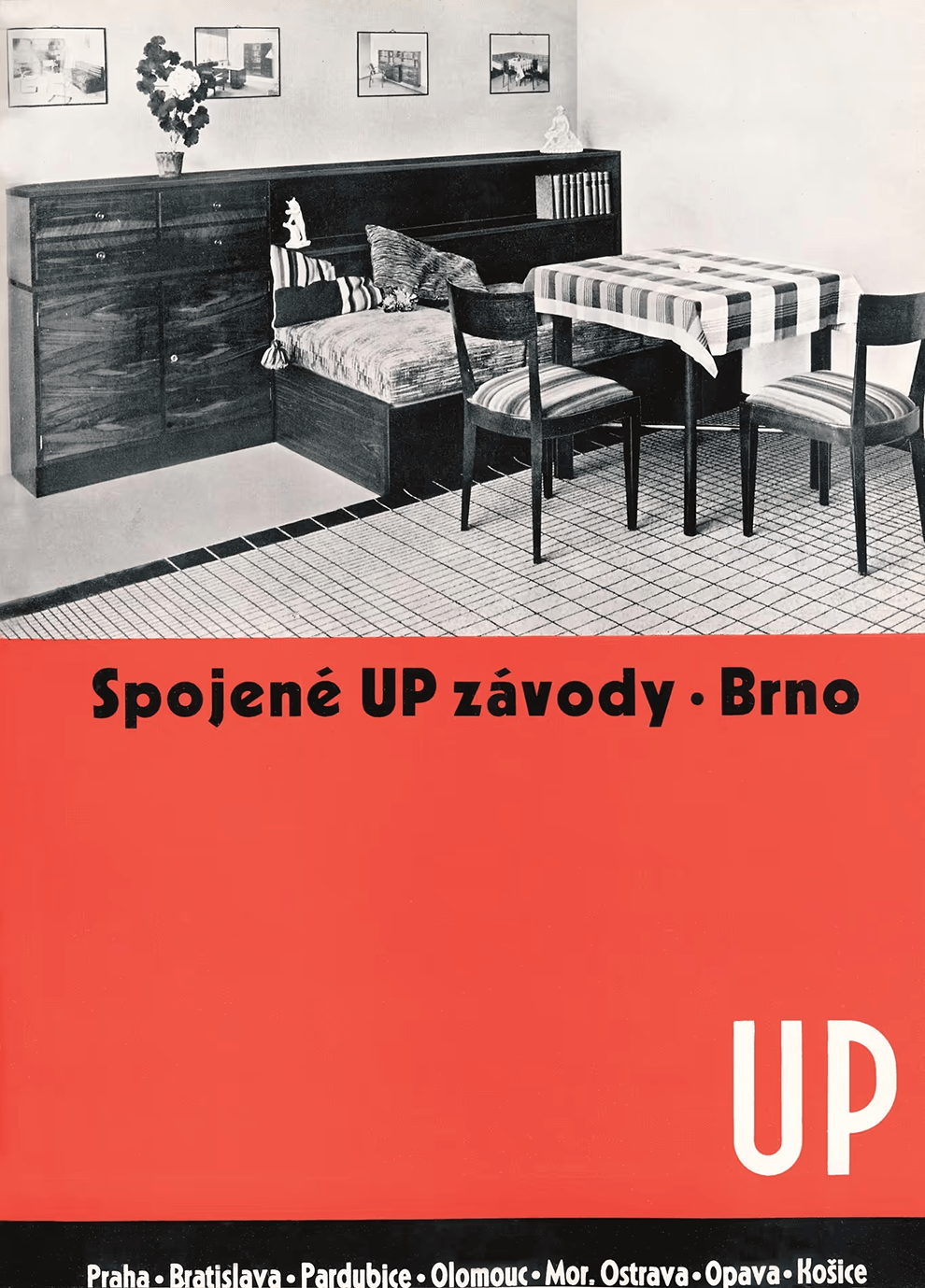
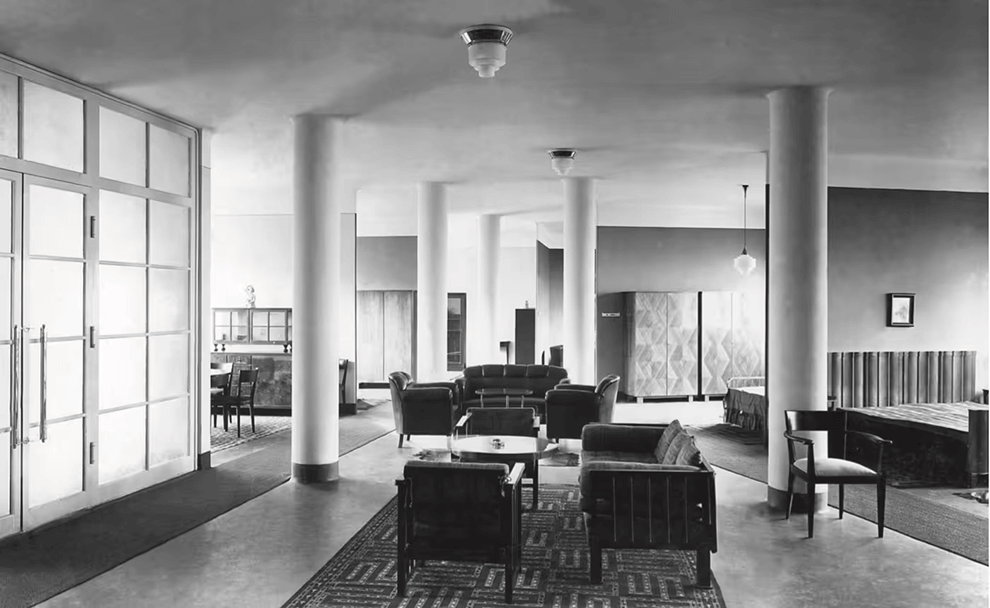
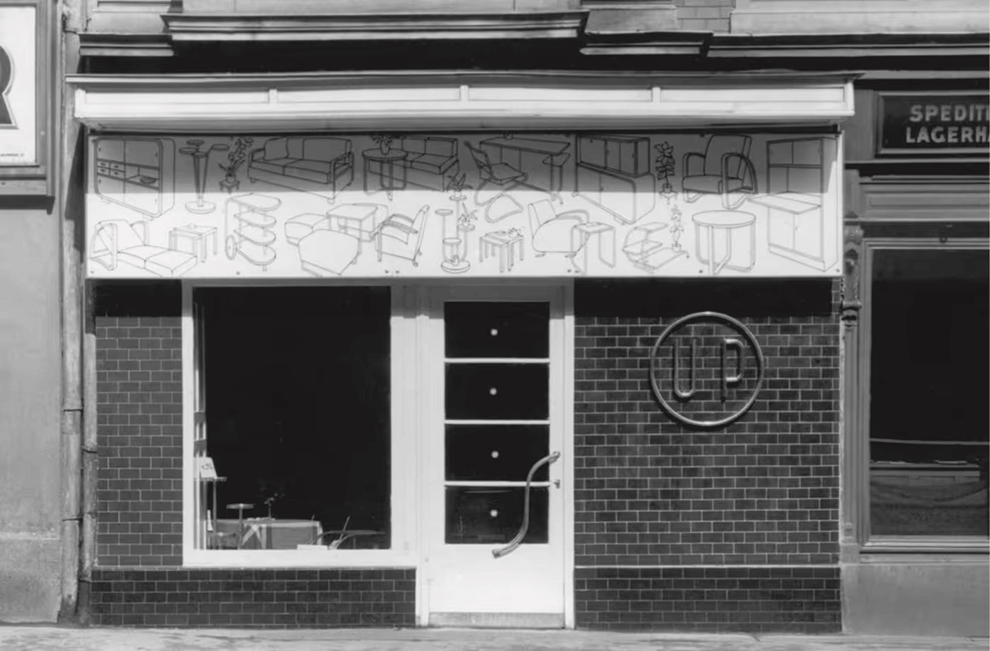
Jindřich Halabala (1903–1978) was a prominent architect, designer, theorist, and writer based in Brno. He played a pivotal role in shaping modern domestic culture in Czechoslovakia. Born into a family of cabinetmakers, his lifelong career path was effectively determined from the start. After completing his apprenticeship in his father’s workshop, he attended a vocational school for woodworking in Valašské Meziříčí. He later continued his studies at the Academy of Arts, Architecture and Design in Prague (UMPRUM) under Professor Pavel Janák, specializing in architecture with a focus on furniture and interior design. For two years, he managed the Prague showroom of the *Spojené UP závody*—one of the largest furniture manufacturers in the Czechoslovak Republic—located in the Lucerna Palace. Thanks to his talent and diligence, he was soon transferred to the company’s headquarters in Brno, where he was able to fully realize his potential. Founded in 1918, this Moravian furniture enterprise was the largest in the country; in its field and at that time, it had no real competition. Other companies merely imitated and adopted not only the furniture designs but also the sales and promotional methods of the UP Works. Thanks to Jindřich Halabala, the standard of their advertising and sales strategy was exceptionally high. He defined the character of product promotion and even personally photographed the promotional images. As the chief designer for the Brno-based Spojené UP závody (United UP Works) in the 1930s, Jindřich Halabala and his colleagues developed a product range that uniquely combined the functionalist principles of the Bauhaus with the graceful forms of Art Deco and the skilled craftsmanship of Czech cabinetmakers. The products created by Halabala’s team possessed a distinct identity; they were modern, expertly crafted, and affordable. Jindřich Halabala’s most significant contribution to the company was the refinement of a modular furniture system. In the post-war years—a time when the housing crisis was a critical and pressing issue—the approach to home furnishing began to be viewed more holistically, in relation to architecture, the type of dwelling, and the layout of the living space. Key themes included household utility and hygiene, the concept of "minimum housing," and the efficient, full-scale utilization of small living areas. Through industrial production, the furniture was designed to be comfortable, functional, space-efficient, inexpensive, and accessible to a broad segment of the population. In the Czech lands, it was the Spojené uměleckoprůmyslové závody (United Arts and Crafts Works) that introduced the rationalization of production and the democratization of domestic culture, fundamentally transforming both modern home furnishings and the appearance of public interiors. “The replicas designed by my father, Jindřich Halabala, for the United UP Works—and now brought to life by Modernista—are faithful to the originals and make a wonderful addition to contemporary interiors. I truly value the opportunity to collaborate with you and contribute to the revival of his designs.” — Ing. Ivan Halabala
Barbora Kovářová
před 100 lety, ale dokonale
doplní i dnešní interiér.
Vyberte si epochu, která je
Vám nejbližší pomocí naší
přehledné časové osy.


