
Pavel Smetana
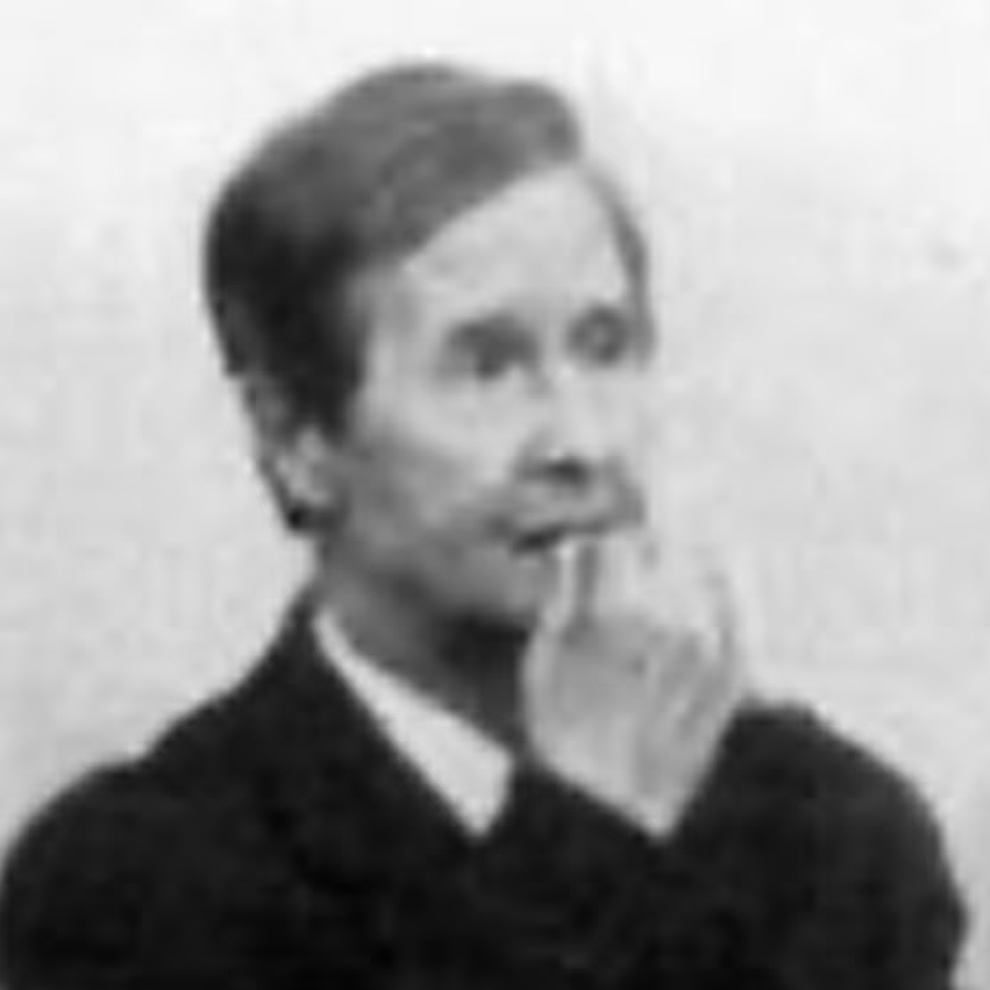
A Czech architect and furniture designer, he had the good fortune to study under two of the foremost giants of Czech architecture: he passed through the studios of Pavel Janák at the Academy of Arts, Architecture and Design (VŠUP) and Josef Gočár at the Academy of Fine Arts (AVU). Both men are regarded as respected masters of the field who influenced numerous students and subsequent generations of architects.
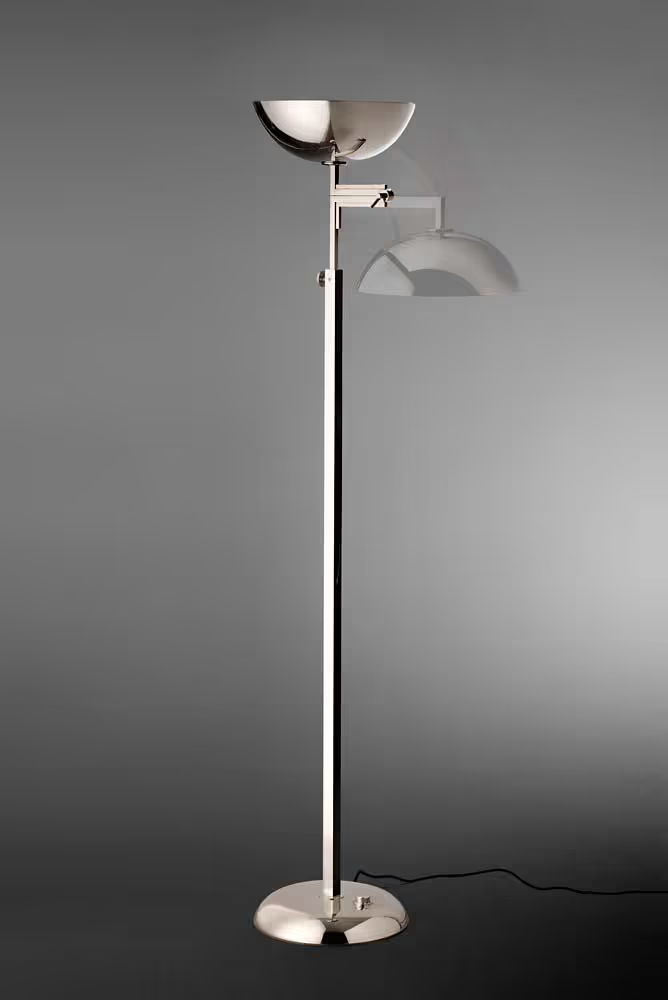
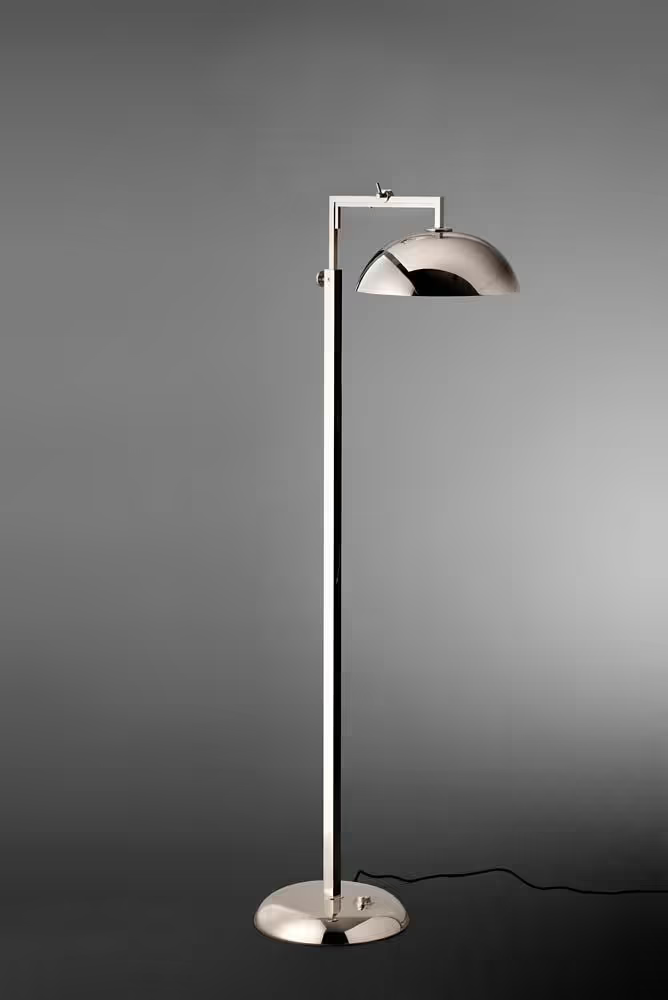
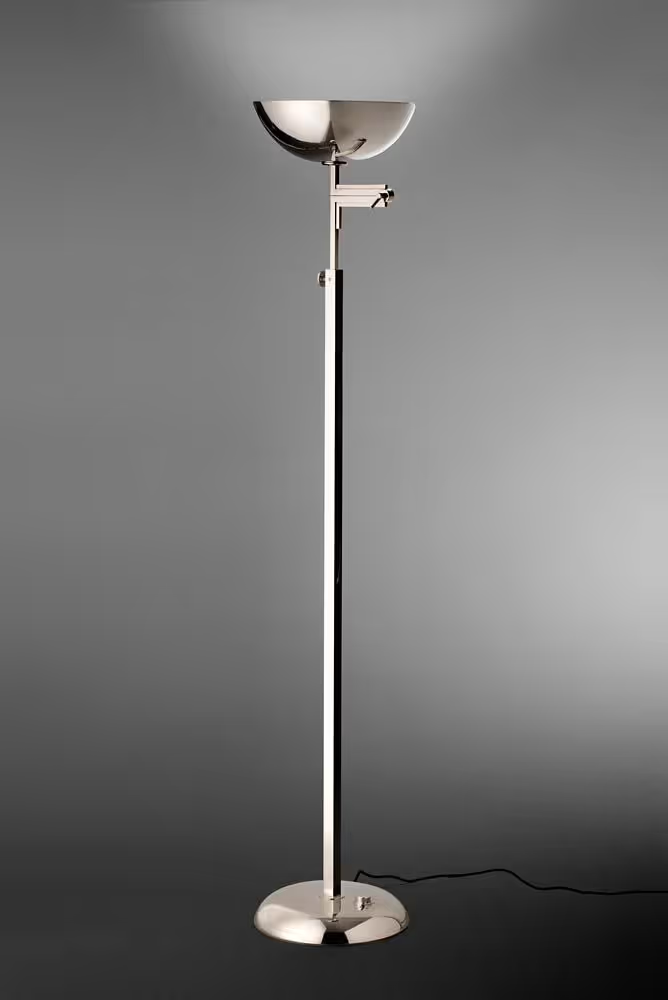
Pavel Smetana was part of the interwar avant-garde; like many other Czech avant-garde artists with leftist leanings, he was a member of the legendary *Devětsil* artistic association. Active during the 1920s, the group sought to bring art to the widest possible audience through a variety of initiatives, including the publication of magazines and the organization of lectures, exhibitions, and theatrical performances. Adhering to the principles of functionalism, Smetana designed school buildings, apartment blocks, and private villas. He also applied these functionalist tenets to his furniture design. In the 1930s, Smetana created several types of elegant floor lamps; featuring adjustable components, they combined a simple yet refined aesthetic with a high degree of functionality and practicality. From 1945, Smetana led his own studio at the Academy of Arts, Architecture and Design (VŠUP), and later served as the institution's rector from 1949 to 1956. His studio was notable for its scope—it did not focus solely on the architecture of buildings or urban planning, but also addressed smaller-scale projects that required meticulous attention to the finest detail. As part of their assignments, students designed cabins, planned modifications for parks and playgrounds, and worked on furniture designs or even exhibition architecture. Notable figures who passed through Pavel Smetana’s studio include Josef Svoboda—one of the creators of the renowned Laterna Magika—and Jan Kaplický, a highly successful Czech architect who gained great acclaim abroad and designed the new National Library building for the Letná Plain in Prague.
Barbora Kovářová
před 100 lety, ale dokonale
doplní i dnešní interiér.
Vyberte si epochu, která je
Vám nejbližší pomocí naší
přehledné časové osy.


