
Rudolf Stockar
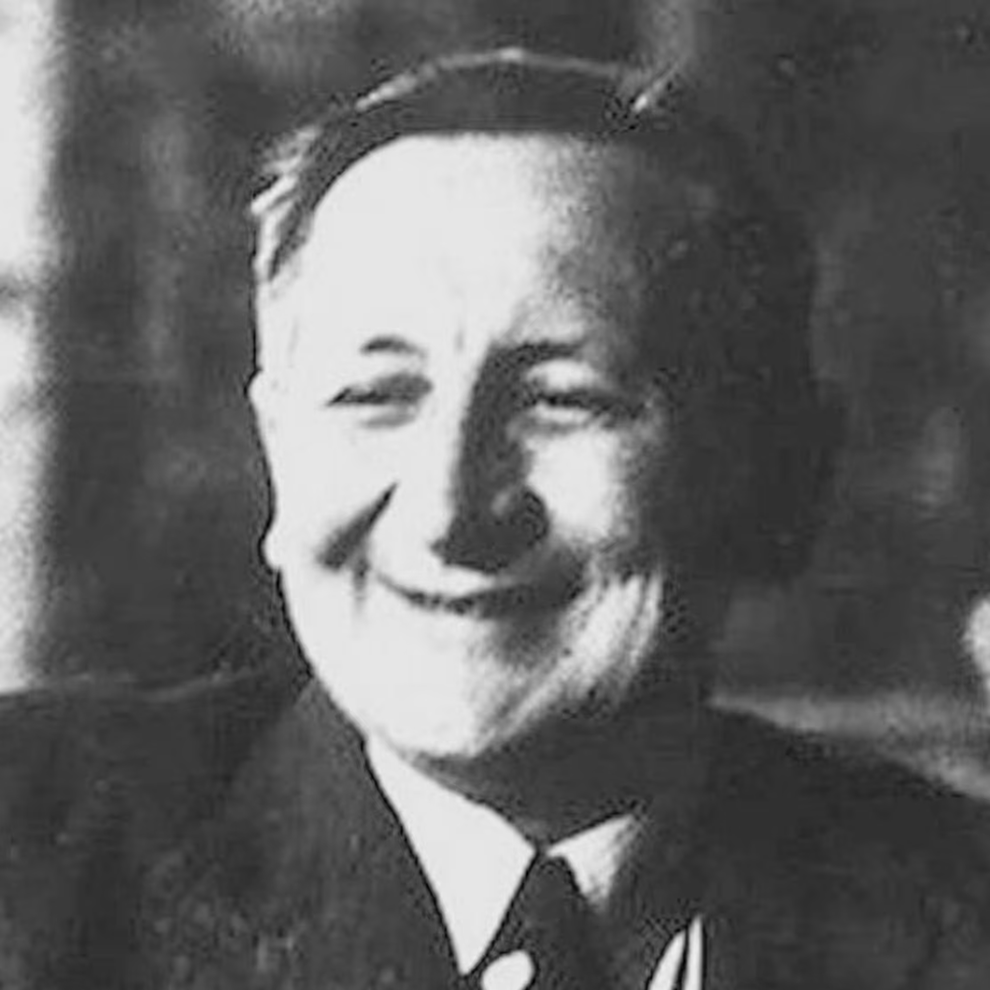
The architect—whose name was previously known primarily only to experts—studied architecture at the Prague Technical University during the first decade of the 20th century. His professional life, however, was also closely linked to the applied arts and the Artěl association.
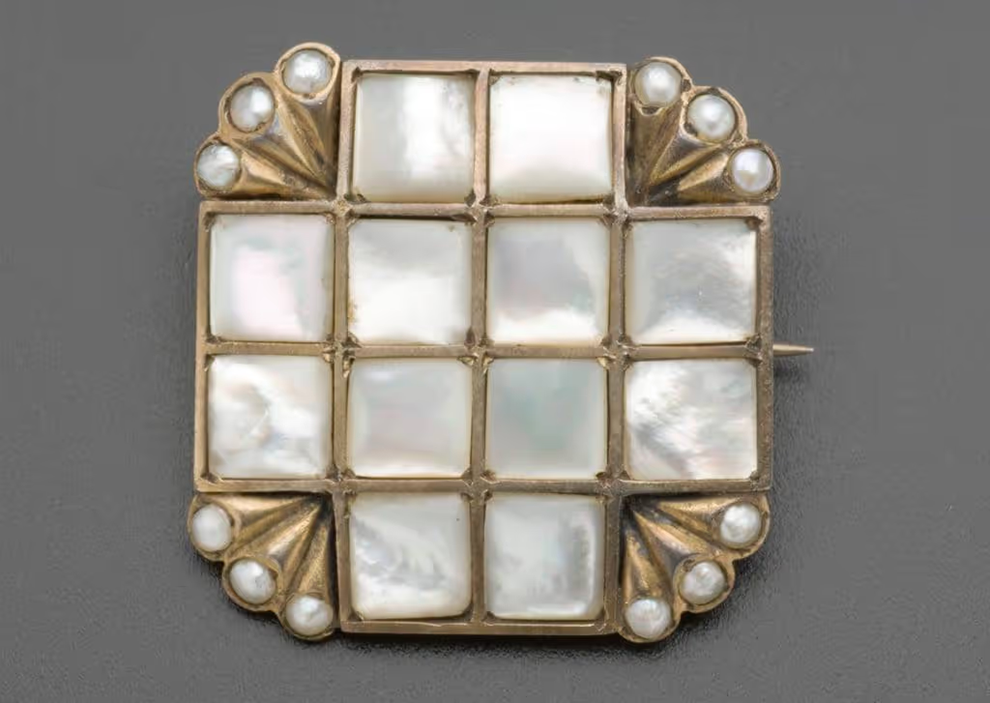
Rudolf Stockar belonged to a generation of architects born at the end of the 19th century who experienced the succession of various architectural styles that emerged throughout the first half of the last century. His body of work encompasses Art Nouveau and Geometric Modernism, as well as Cubism, Art Deco, Purism, and Functionalism. Theoretically, he explored the concept of "garden cities"—envisioning them as an urban structure suitable even for the poorest segments of the population—and delved into issues concerning the applied arts and the artistic industry. He was a founding member of the Association of Czech Applied Arts Artists (Artěl) and served as its director from 1915 to 1926. Much like the Bauhaus, Artěl was an association of artists, designers, and theorists dedicated to elevating the culture of living and the quality of lifestyle, while also facilitating the production and sale of its members' designs. For Artěl, Rudolf Stockar created a wide array of functional objects, ranging from jewelry and textiles to furniture and complete interior schemes. His primary focus, however, was jewelry—which he approached as if it were a form of small-scale, refined architecture. His portfolio also includes small objects—such as brooches, smoking accessories, vases, and coffee or tea sets—characterized by superb craftsmanship and remarkably ingenious forms. Barbora Kovářová
před 100 lety, ale dokonale
doplní i dnešní interiér.
Vyberte si epochu, která je
Vám nejbližší pomocí naší
přehledné časové osy.


Product sorting
List of products

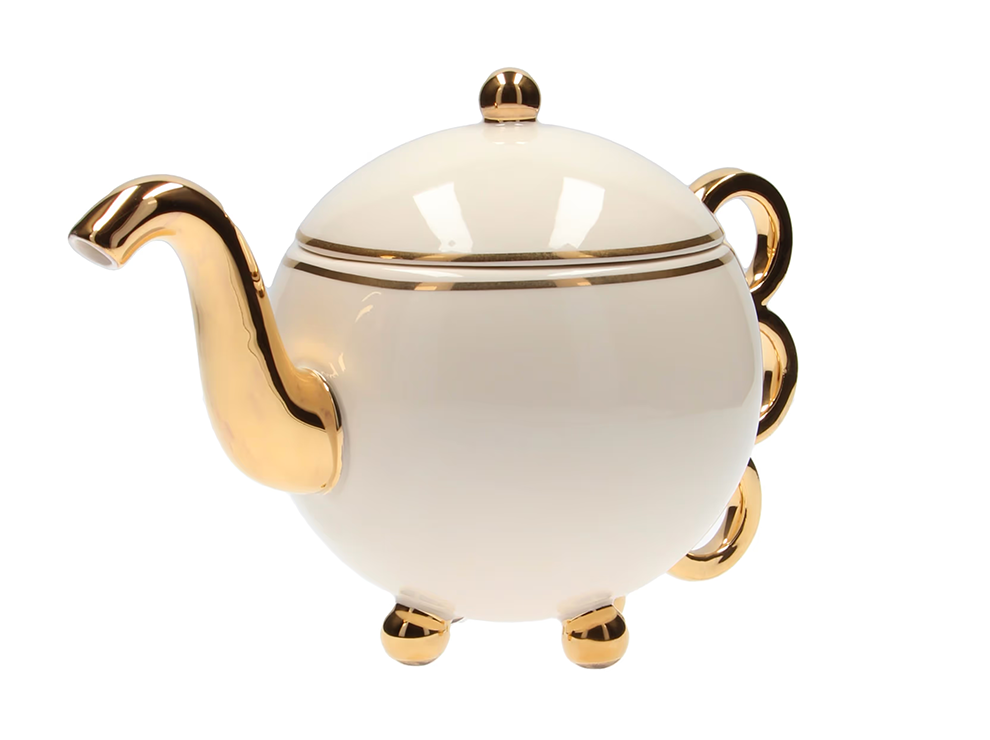
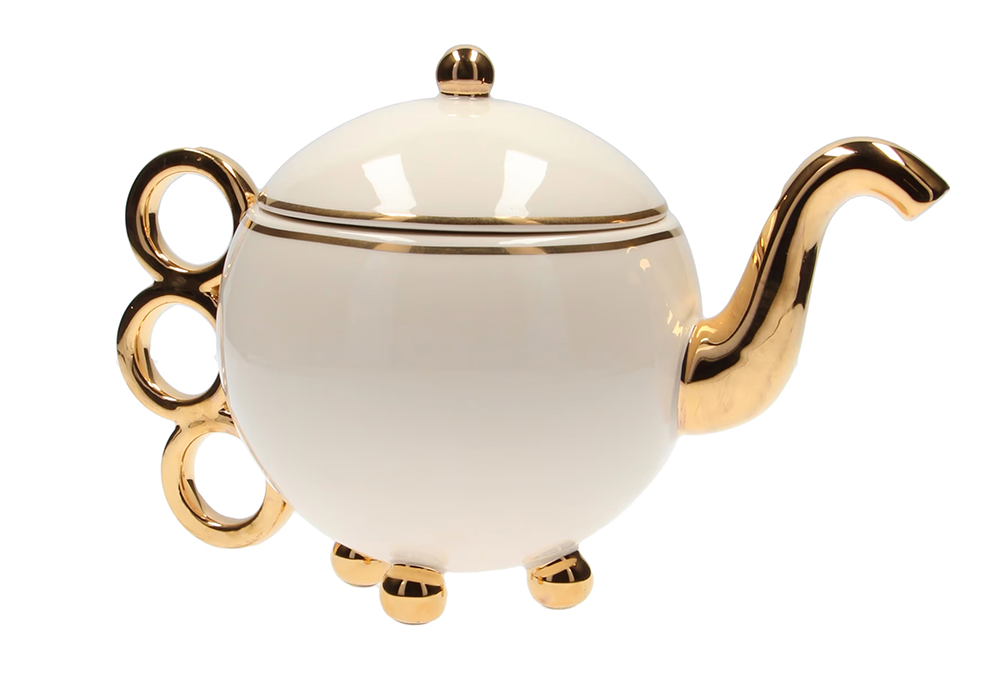
Finely crafted porcelain pot with a gold line made as a faithful replica of the iconic Art Deco design by the architect Rudolf Stockar. Enjoy luxurious 1920s Czechoslovak design...

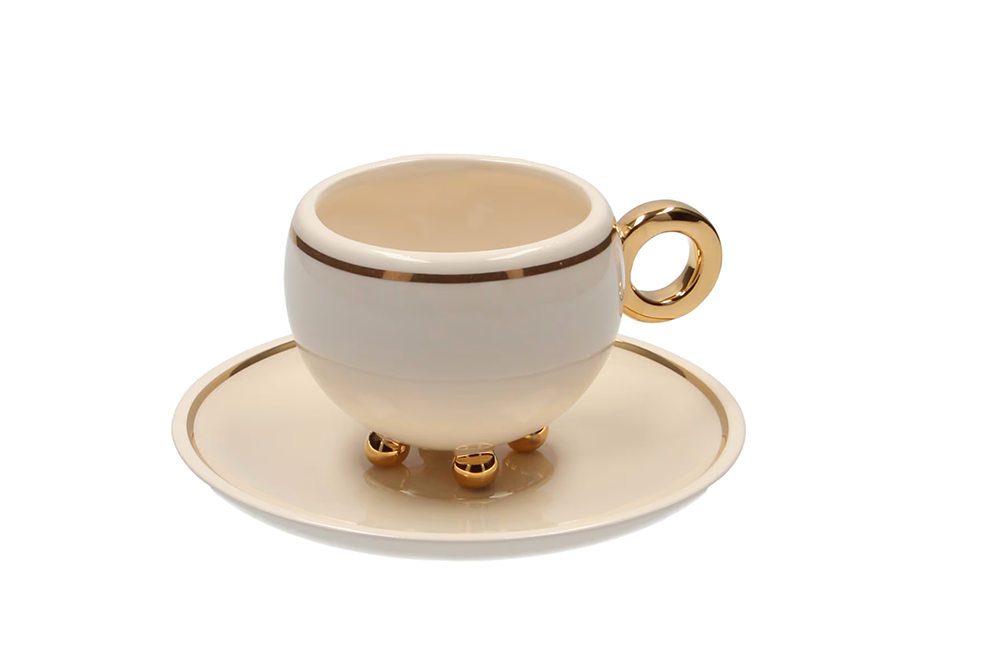
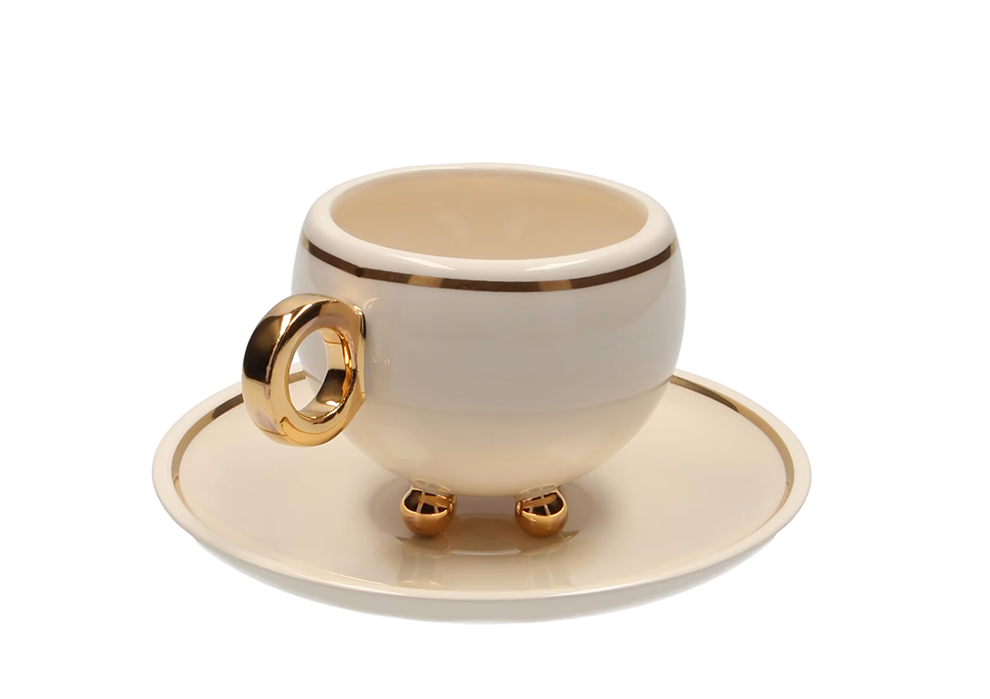
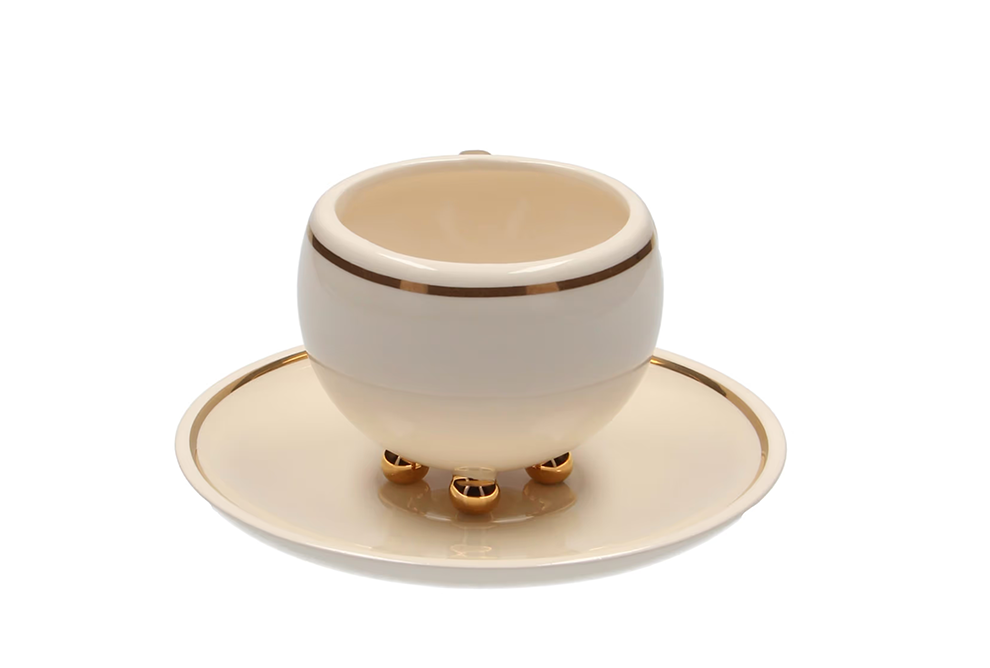
A luxurious porcelain cup and saucer with a gold line made as a faithful replica of the iconic Art Deco design by the architect Rudolf Stockar. Treat yourself to elegant...

A finely crafted porcelain pot with a blue line made as a faithful replica of the iconic Art Deco design by architect Rudolf Stockar. Enjoy elegant Czechoslovak design of the...

An elegant porcelain cup and saucer with a blue line, made as a faithful replica of an iconic Art Deco design by the architect Rudolf Stockar. Enjoy stylish Czechoslovak design...