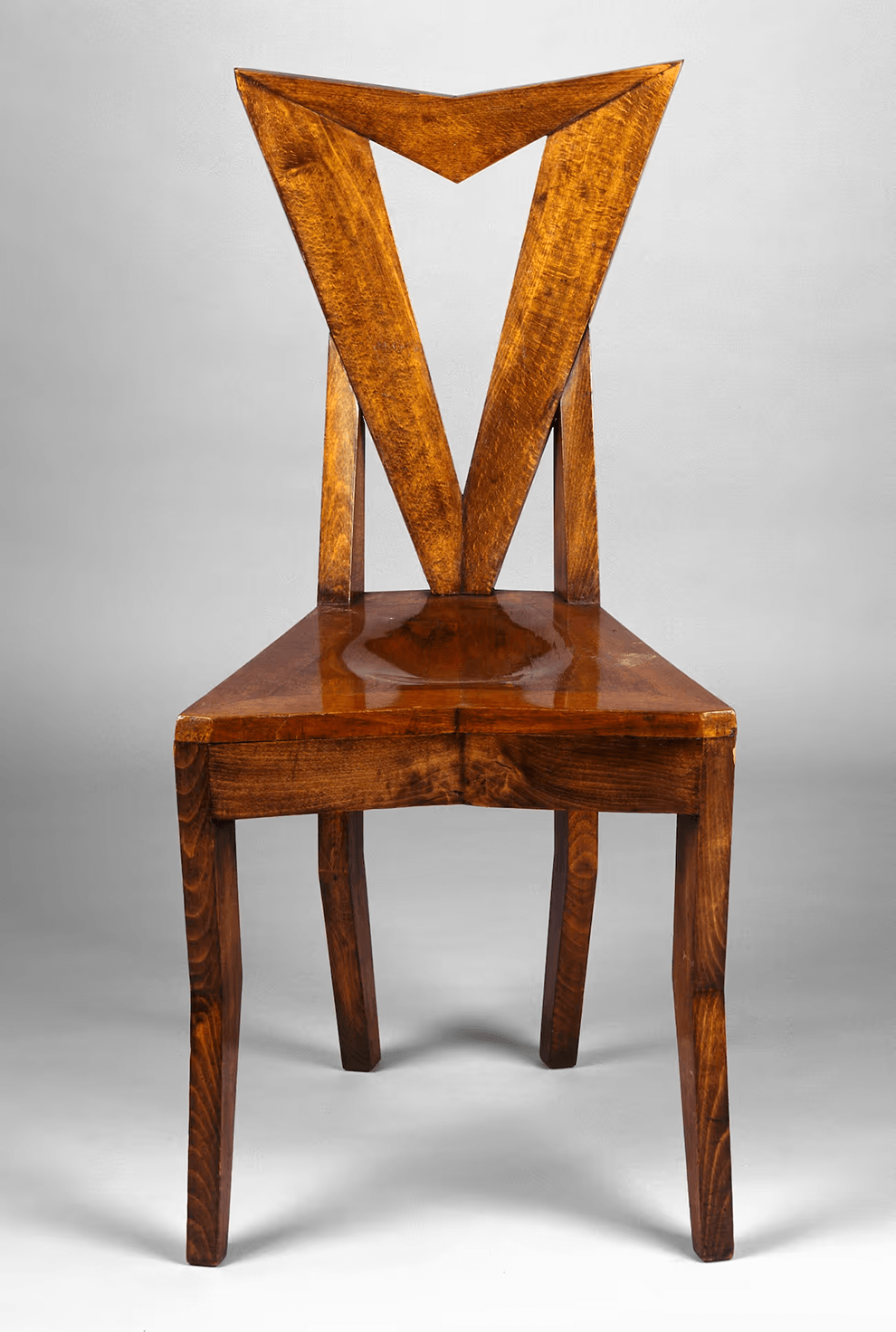
Cubist chair by Pavel Janák
Product detailed description
Standard finish:
Material: solid walnut and solid beech
semi-gloss finish – 39.000,- Kč
Upgraded finish:
Material: solid walnut and solid oak
semi-gloss finish – 43.000,- Kč
Gallery


Discussion
Be the first who will post an article to this item!
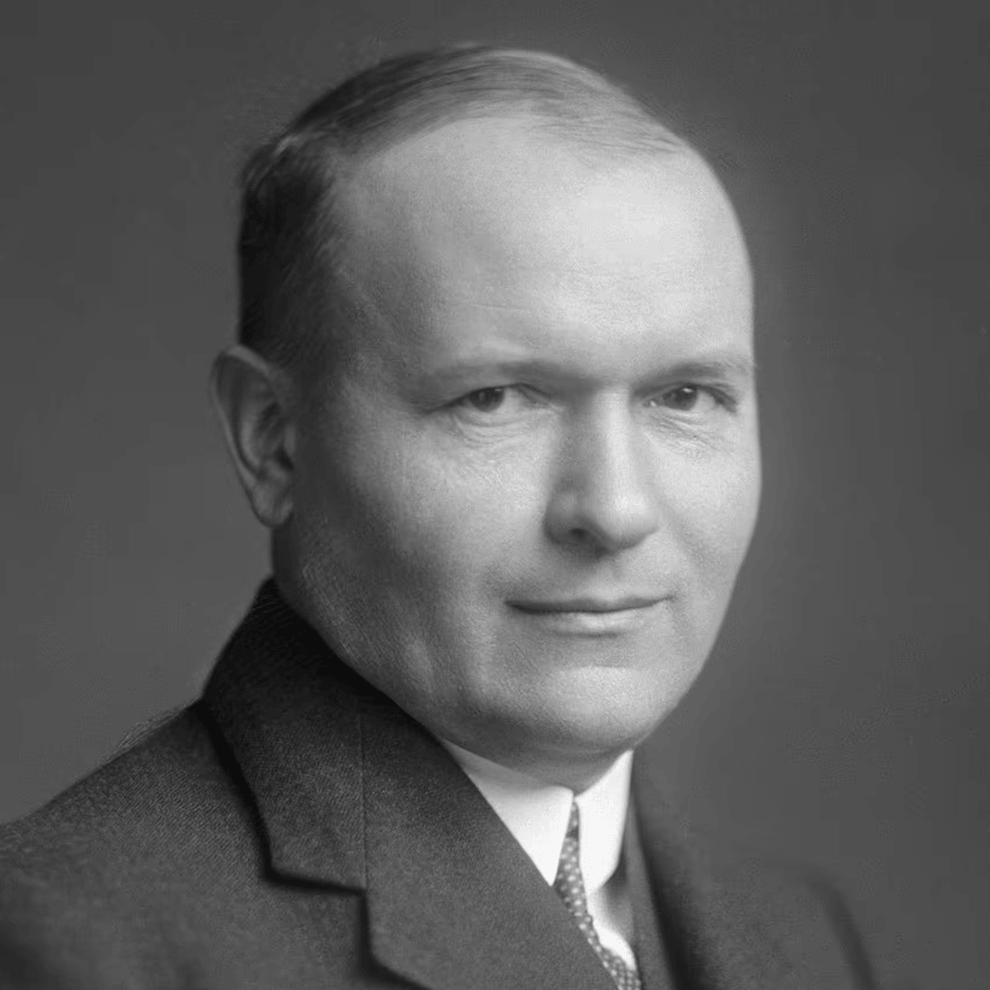
A versatile creator—architect, urban planner, designer, and educator—Pavel Janák served as a leading theorist of the Czech Cubist movement and a proponent of both interwar Art Deco and the radical modernism embodied by Functionalism. He was also responsible for outstanding restorations of significant historical structures.
Born in 1883 in Vysočany, Pavel Janák studied architecture at both the Czech and German technical universities in Prague under Josef Schulz and Josef Zítek—key figures of architectural historicism. He completed his studies, however, under Otto Wagner in Vienna, and from the late 1890s, he collaborated with Jan Kotěra. Both Wagner and Kotěra were pivotal champions of modern architectural thought. Consequently, Pavel Janák became an integral part of the fundamental transformation of forms in architecture and design that took place at the beginning of the 20th century. In 1907, he co-founded the art association Artěl; together with Josef Gočár, he also established the Prague Art Workshops (*Pražské umělecké dílny*), which focused on producing high-quality interior furnishings—ranging from furniture to porcelain and ceramics. His iconic lidded vessels—crafted from high-fired stoneware, typically finished in a white glaze with color applied solely to accentuate their edges—became not only Janák’s most renowned work but also a symbol of Czech Cubism and a model for the design of functional objects during the interwar Art Deco period. Janák’s design work features a principle of reducing the ornamentation popular at the time—ornamentation that had persisted in product decoration since the Art Nouveau era and earlier periods. However, this reduction does not constitute a rationalization or a stripping down of mass into purely functional components—an approach that became common in arts and crafts and industrial design after the mid-1920s. On the contrary, the mass itself becomes the ornament, literally crystallizing as an intellectualized, elemental form. This principle is manifested in vessels that are, for the most part, rotationally symmetrical and resemble crystals; their natural, regular structure is interrupted only by expressive anomalies—often highlighted in color—that are essential to the object’s utility, such as spouts, handles, or grips. This expressiveness is further heightened by colored lines, typically applied in an alternating "zig-zag" pattern. Janák extended this expressive language—seen here in his tableware—to his furniture designs as well; it is most strikingly evident in the dramatic formal vocabulary of his Cubist chair, though he also created numerous other pieces, ranging from bedroom sets and seating arrangements to writing desks.
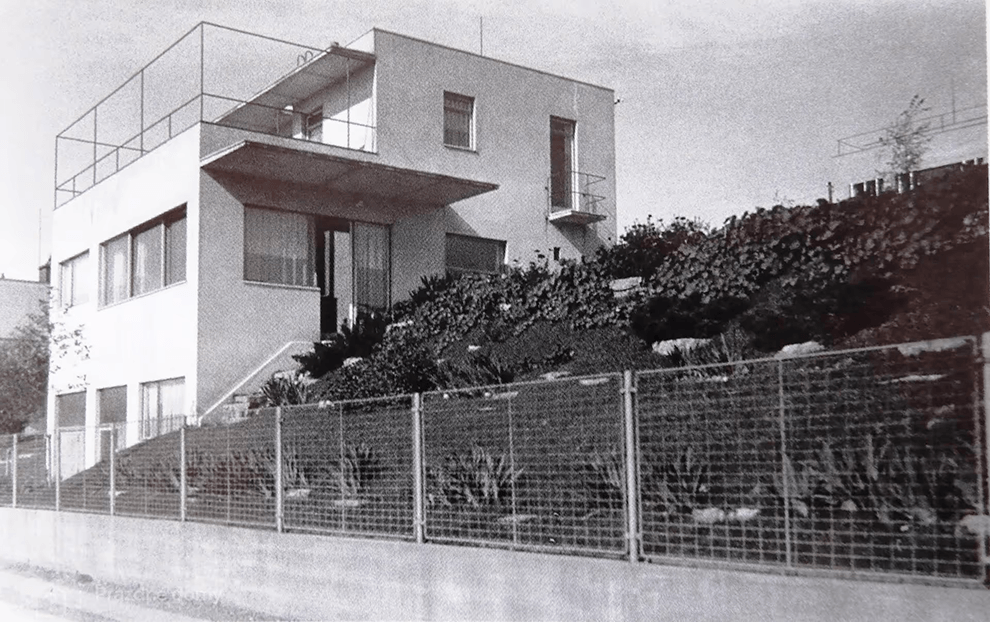
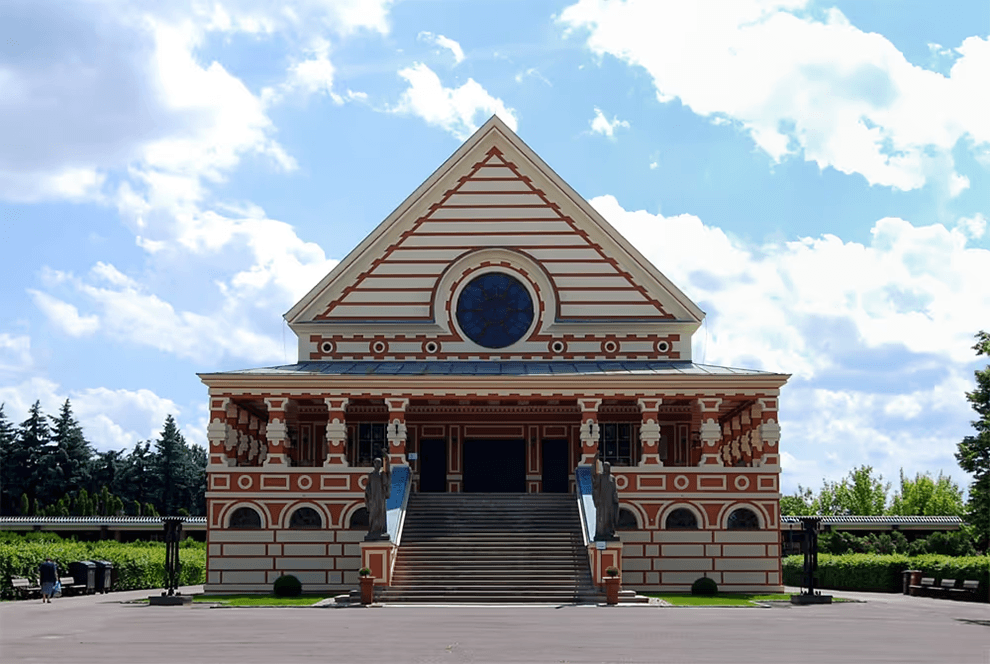
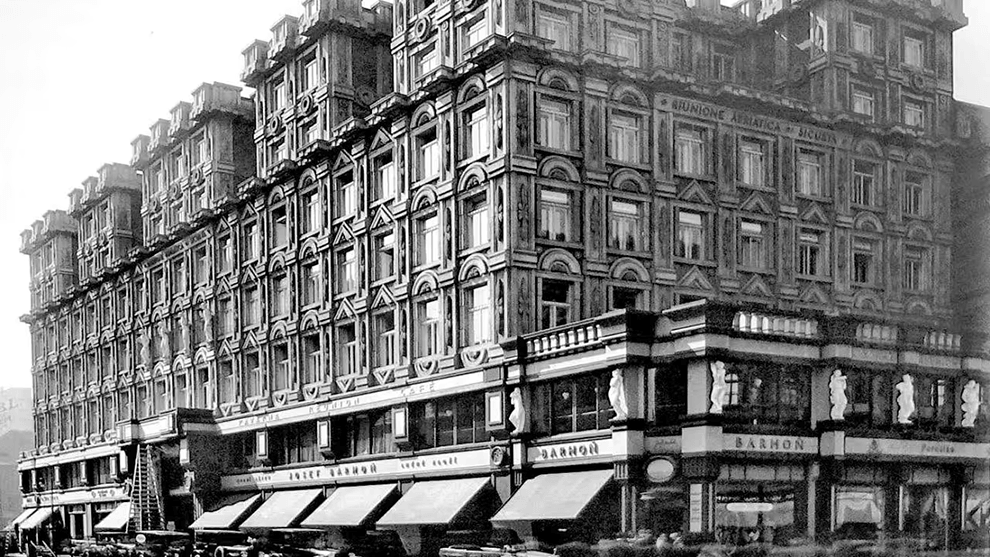
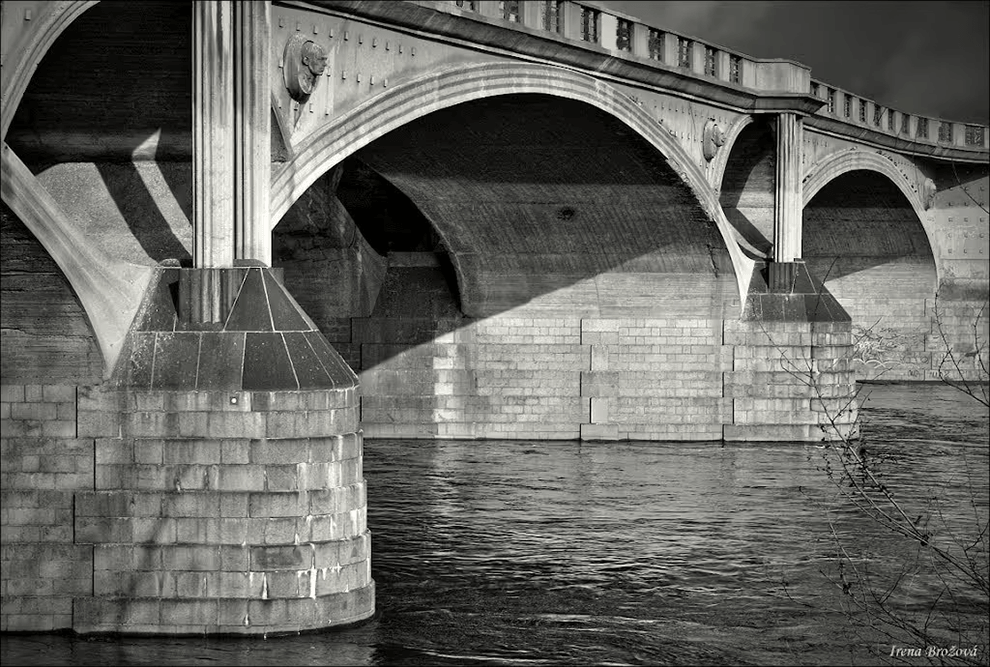
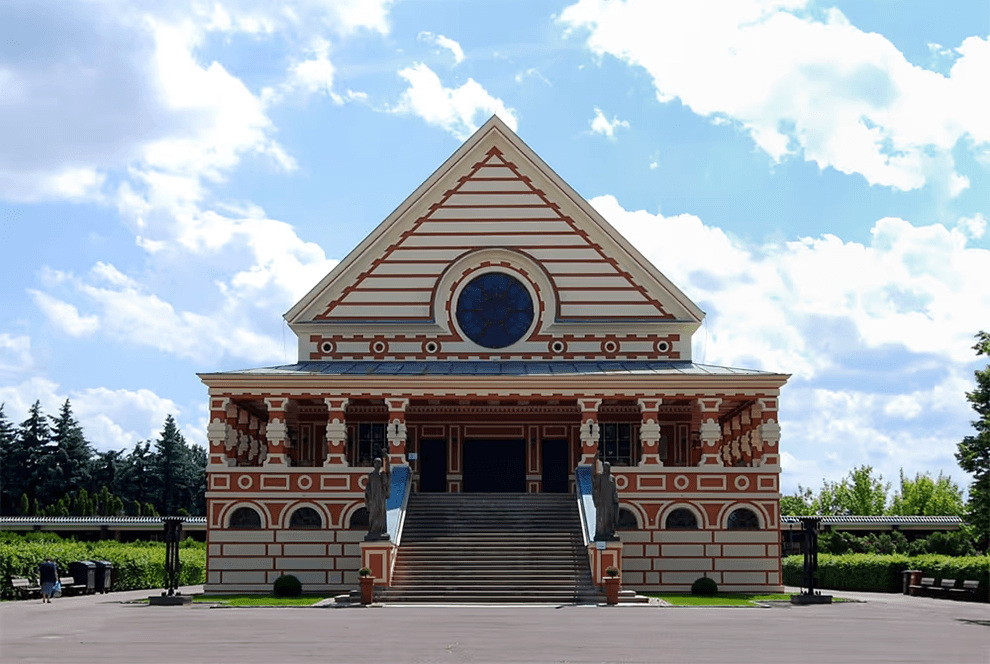
In his pre-war architectural work, Pavel Janák employed a similarly simplified decorative approach for the arches of the Hlávka Bridge and, most notably, the Fára House in Pelhřimov. During the war—a period when construction was severely restricted and most architects had the opportunity to further develop their theoretical ideas—Janák began to favor a less radical geometry in his architectural vocabulary. Sharp edges, which had symbolized the dynamism of natural forces, were replaced by softer, rounded forms and a combined use of color. In the post-war era, this style evolved into what is known as "Rondocubism" or the "National Style." It became a primary architectural expression for the new republic, particularly in public buildings—a domain that emerged as a key focus of Janák’s work during this period. The most prominent examples include the Škoda and Adria palaces on Jungmannova Street in Prague, as well as the crematorium in Pardubice. Although Janák returned to a formal Cubist aesthetic in 1928 when designing the Libeň Bridge, his later output was increasingly dominated by Functionalist architecture (such as the Hotel Juliš and the Hus Congregation building in Vinohrady), urban planning (the Baba housing estate), and various reconstruction projects—including the Ball Game Hall, the Riding School, and the Presidential Residence at Prague Castle, as well as the Hvězda Summer Palace.
Josef Holeček